

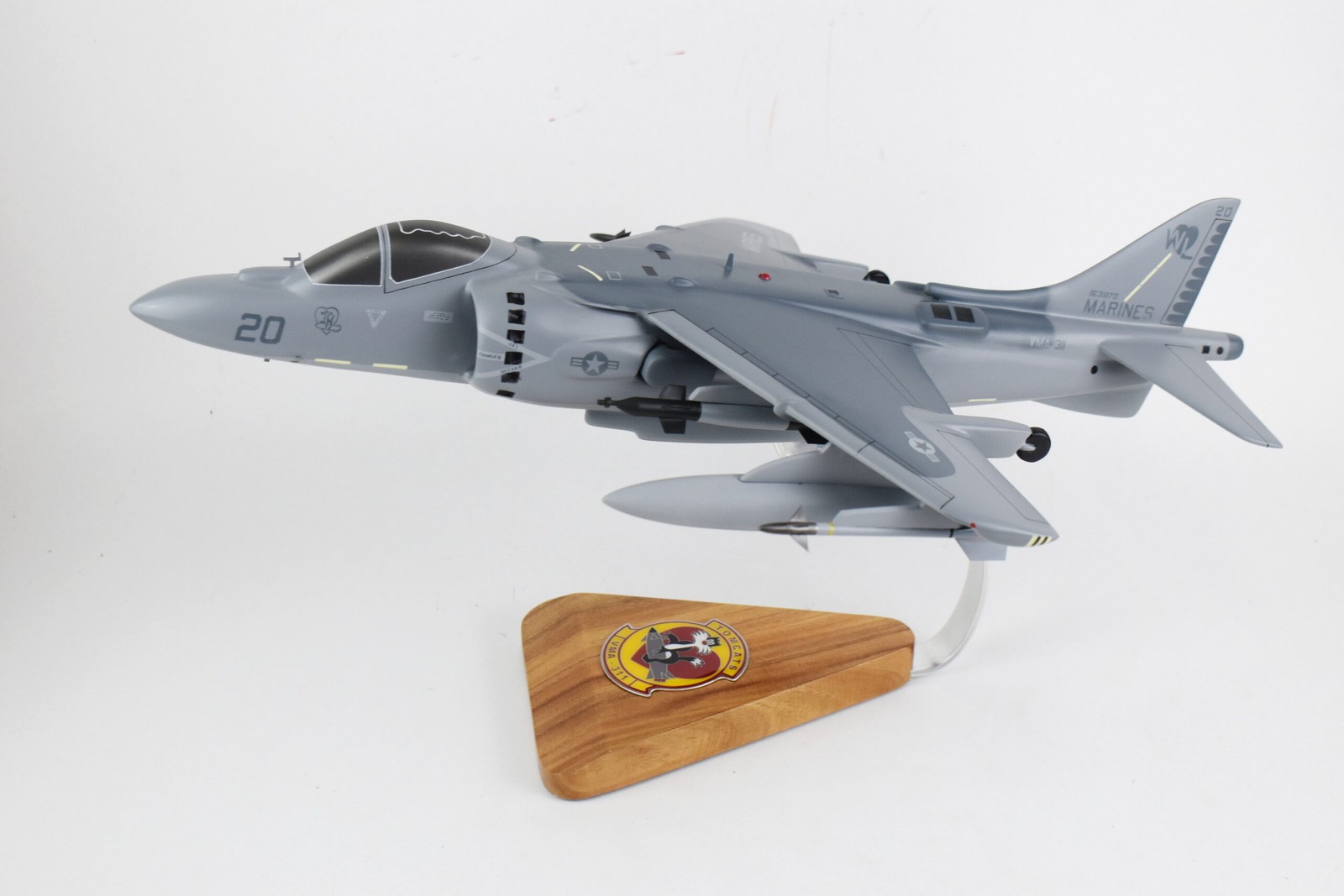
VMA-311 Tomcats AV-8B (WL-20) Model, Mahogany, 1/30th scale, Marines For Sale
 When you click on links to various merchants on this site and make a purchase, this can result in this site earning a commission. Affiliate programs and affiliations include, but are not limited to, the eBay Partner Network.
VMA-311 Tomcats AV-8B (WL-20) Model, Mahogany, 1/30th scale, Marines:
|

Other Related Items:
Related Items:

VMA-311 Tomcats 2018 Patch – Plastic Backing/Sew On, 4"
$15.95
VMA-311 Tomcats AV-8B Model, Mahogany, 1/30th scale, Marines
$459.00
VMA-311 Tomcats AV-8B (WL-20) Model, Mahogany, 1/30th scale, Marines
$459.00
Recent Posts
- Is It Time for a Robot Strike Zone?
- Trout and Harper – Stars on Islands
- Three Big Free Agent Targets for 2016
- Toronto Suddenly Looks Like the World Series Favorite
- Could Yoenis Cespedes Really Be the NL MVP?
- Fast Start in the A.L. Central
- Cole Hamels and the Trading Deadline
- An Amazing Start for Nelson Cruz
- What’s wrong in Miami?
- The Arrival of Kris Bryant
- What to Expect from the Giants and the Royals
- The Long-Awaited Return of A-Rod
- The Fading Detroit Tigers?
- 2015 National League Preview
- 2015 American League Preview
Archives
- October 2015
- September 2015
- May 2015
- April 2015
- March 2015
- February 2015
- January 2015
- December 2014
- November 2014
- October 2014
- September 2014
- August 2014
- July 2014
- June 2014
- May 2014
- April 2014
- February 2014
- January 2014
- December 2013
- November 2013
- October 2013
- September 2013
- August 2013
- June 2013
- May 2013
- March 2013
- February 2013
- October 2012
- September 2012
- May 2012
- April 2012
- March 2012
- February 2012
- January 2012
- November 2011
- September 2011
- August 2011
- July 2011
- June 2011
- May 2011